1910s – 1920s
German Expressionism
Nightmarish, paranoid, and aggressively artificial.
The Catalyst
Post-WWI national trauma and extreme economic devastation in Germany.
The Story
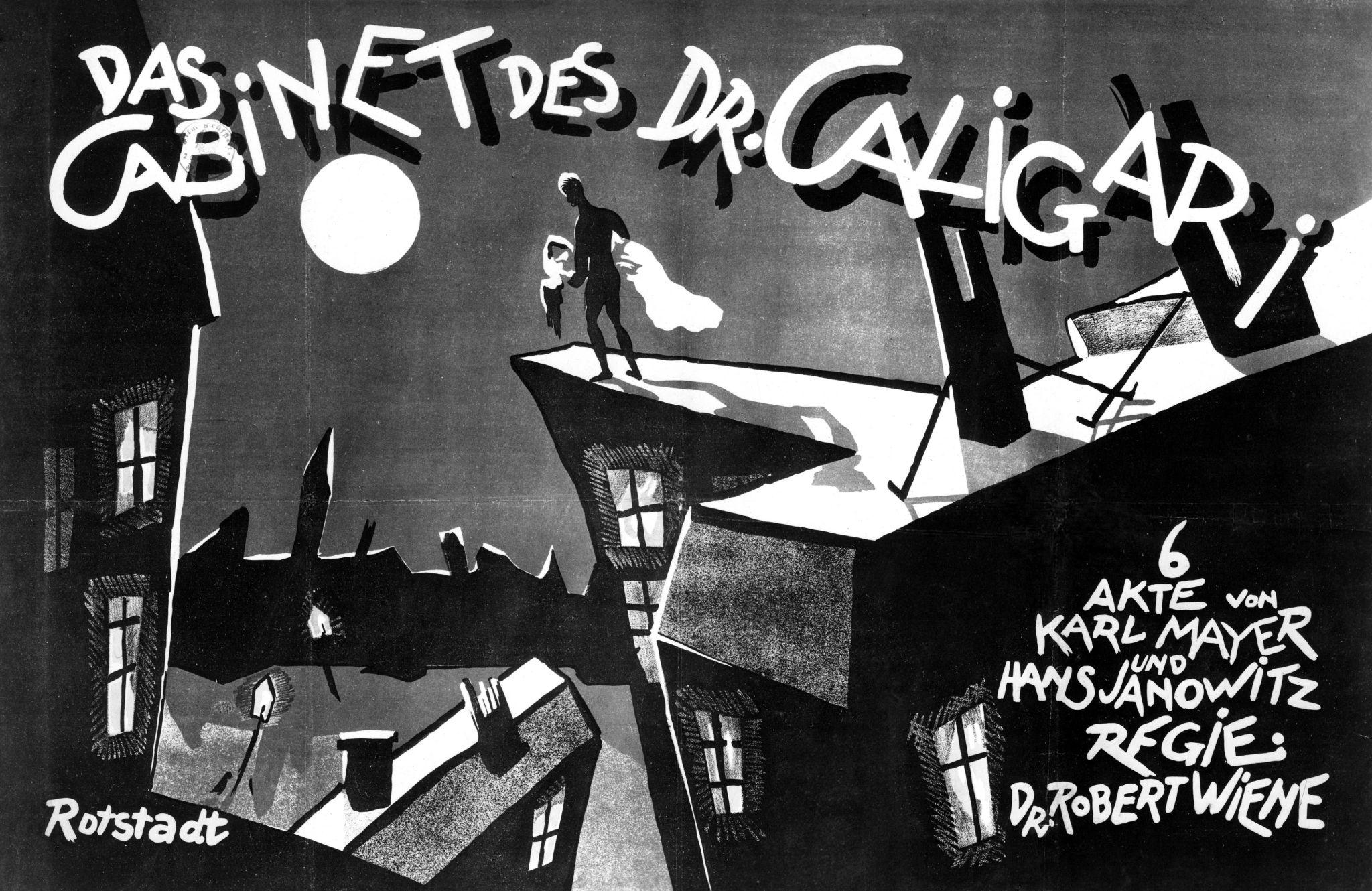
Imagine trying to make a movie in a country financially ruined by war, with no budget to shoot on location, and a population collectively traumatized. Instead of failing, German filmmakers invented a radical new visual language. They realized that cinema didn't have to mirror reality—it could mirror the mind. They entirely abandoned objective reality, choosing instead to visually represent internal subjective states like fear, madness, and paranoia. Directors utilized heavily painted, non-realistic sets with jagged edges, leaning walls, and forced, distorted perspectives. The lighting relied on chiaroscuro—stark, brutal contrasts between deep shadows and harsh highlights. The acting was highly theatrical, with jerky, exaggerated movements designed to convey intense inner turmoil. It was cinema as a waking nightmare.
The Legacy
Birthed the horror genre; heavily influenced 1940s Film Noir and Tim Burton.
German Expressionism Films(20 in our catalog)
View all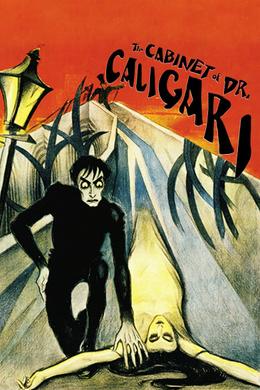
The Cabinet of Dr. Caligari

Siegfried
Dr. Mabuse the Gambler

Nosferatu

The Testament of Dr. Mabuse

The Adventures of Prince Achmed

Kriemhild's Revenge

Vampyr

The Love of Jeanne Ney

The White Hell of Pitz Palu

Ghosts Before Breakfast

Melodie der Welt
Joyless Street
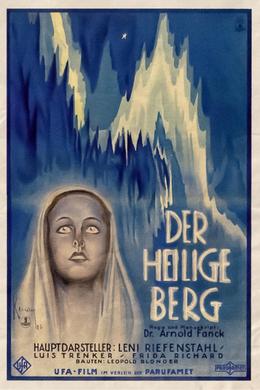
The Holy Mountain
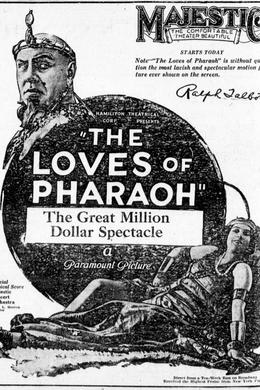
The Loves of Pharaoh
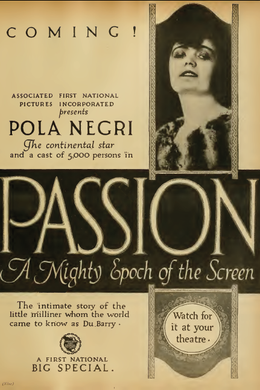
Madame DuBarry
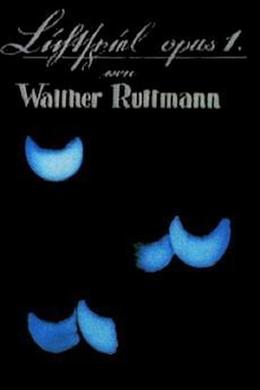
Opus I

Sumurun
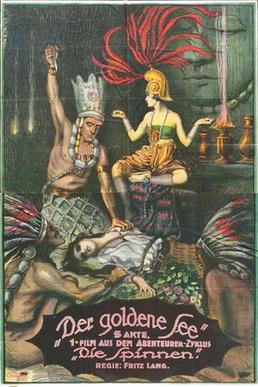
The Spiders

The Wildcat
Essential Viewing
- The Cabinet of Dr. Caligari (1920)
- Nosferatu: A Symphony of Horror (1922)
- Metropolis (1927)
- The Golem: How He Came into the World (1920)
- M (1931)
- Faust (1926)
- Dr. Mabuse, the Gambler (1922)
- Warning Shadows (1923)
- Waxworks (1924)
- The Last Laugh (1924)
- The Student of Prague (1913)
- Tartuffe (1925)
- Genuine: The Tragedy of a Vampire (1920)
- Pandora's Box (1929)
- The Joyless Street (1925)
- Secrets of a Soul (1926)
- The Spiders (1919)
- Vampyr (1932)
- Sunrise: A Song of Two Humans (1927)
- The Hands of Orlac (1924)