Film Movements
Cinema's history is not a quiet evolution, but a series of explosive revolutions born from political upheaval, technological breakthroughs, and an urgent need to tear up the rulebook. From the fractured, painted nightmares of German Expressionism and the rebellious, handheld energy of the French New Wave, to the visceral, genre-bending mastery of the Korean New Wave, these distinct eras completely redefined the language of sight and sound. They transformed the camera into a psychological mirror, a scientific tool for emotional collision, and a militant weapon for social liberation. Before you stream the classics, trace these historical fault lines and discover the radical cinematic turning points that shaped the modern screen forever.
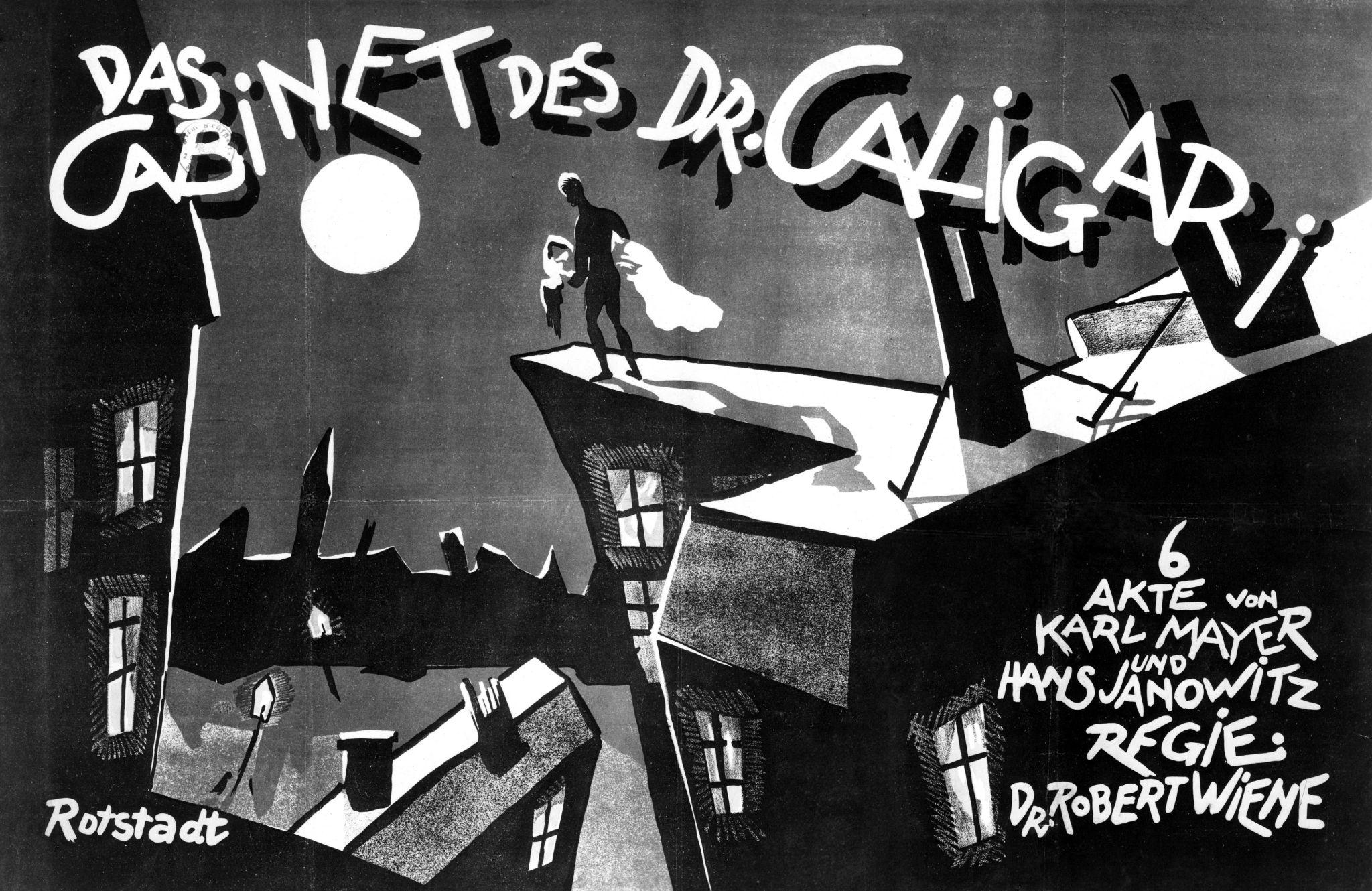
German Expressionism
1910s – 1920s
Nightmarish, paranoid, and aggressively artificial.
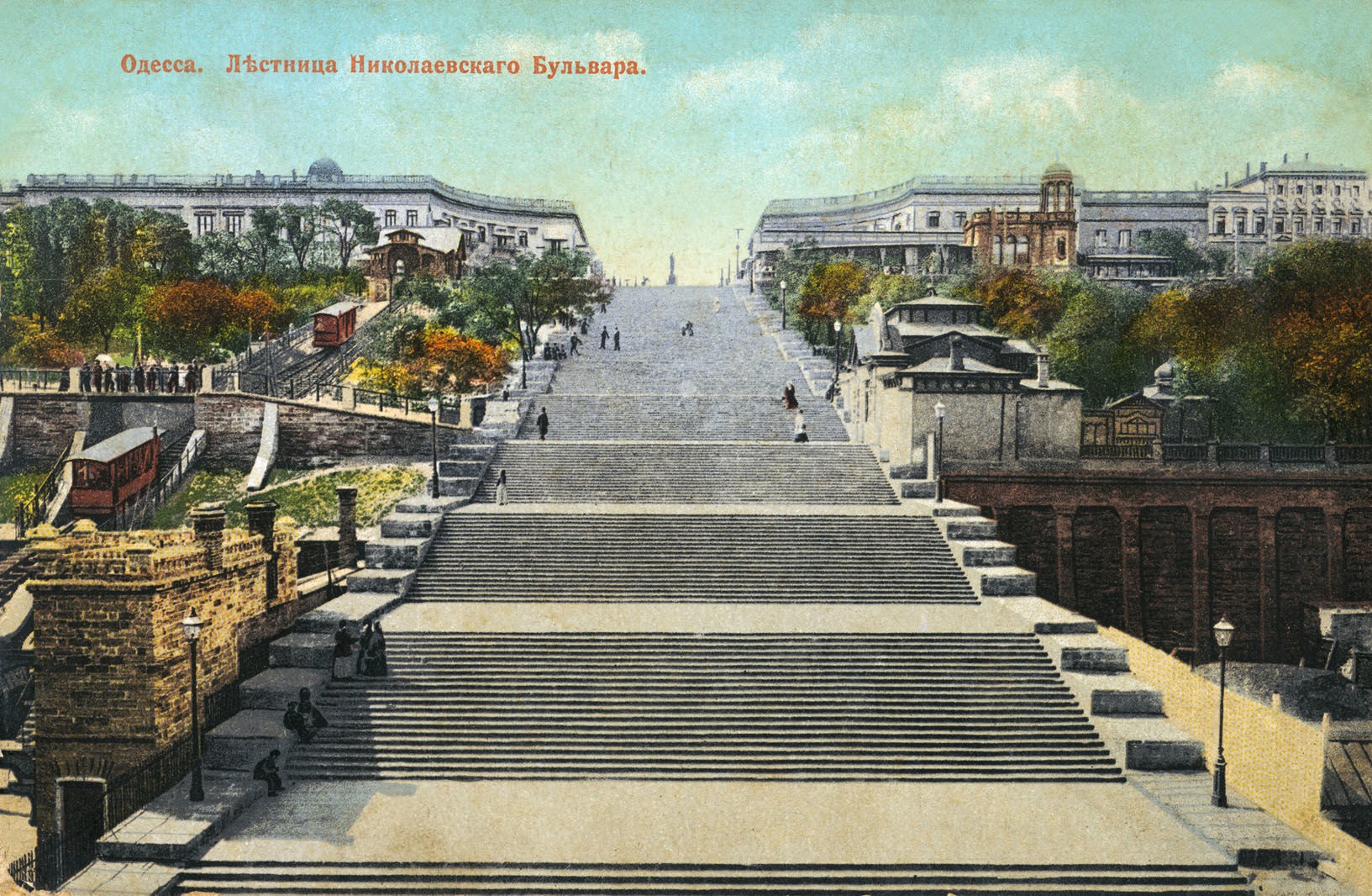
Soviet Montage
1920s
Propulsive, intellectual, and revolutionary.
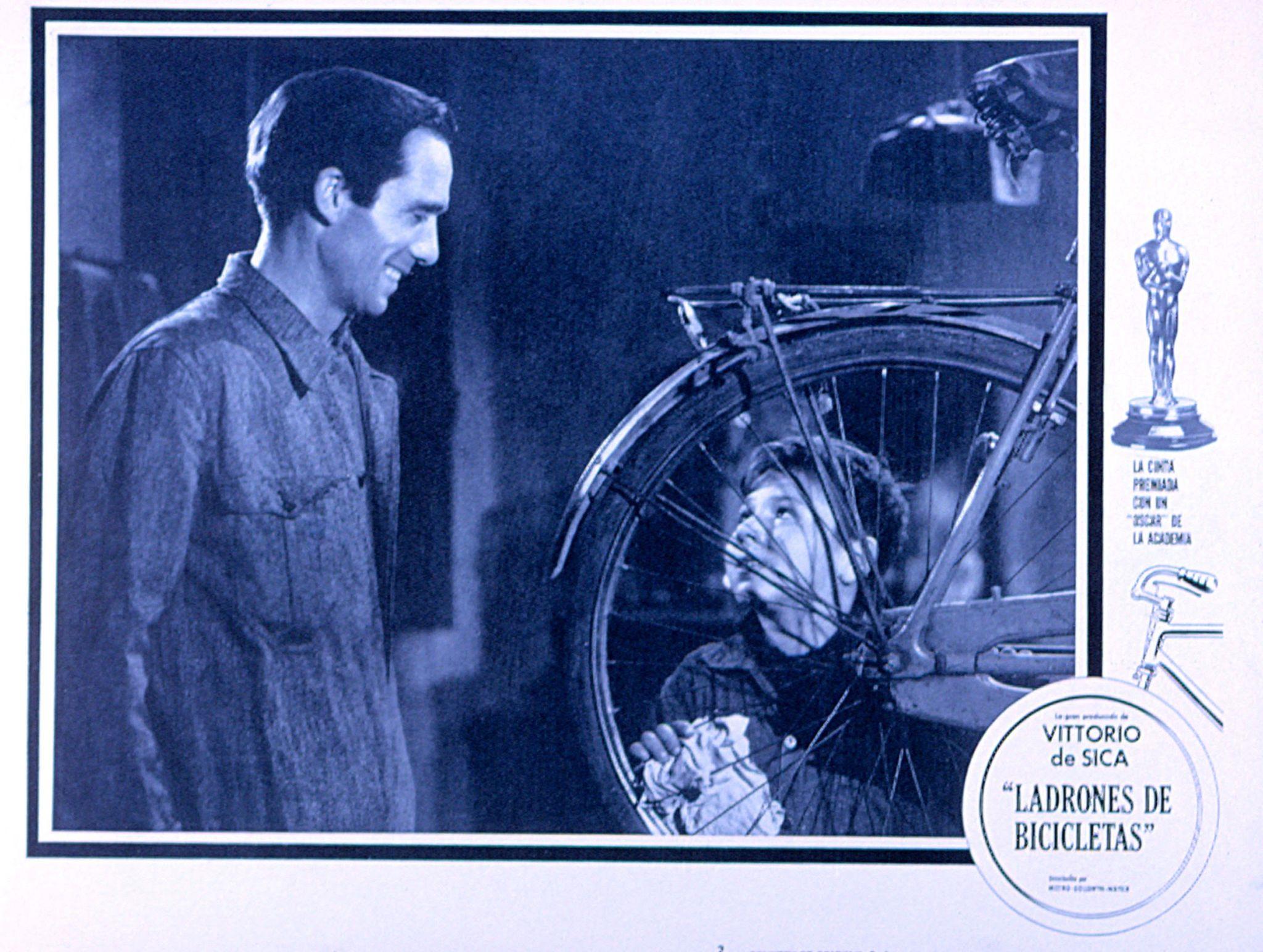
Italian Neorealism
1940s – 1950s
Gritty, heartbreaking, and fiercely authentic.
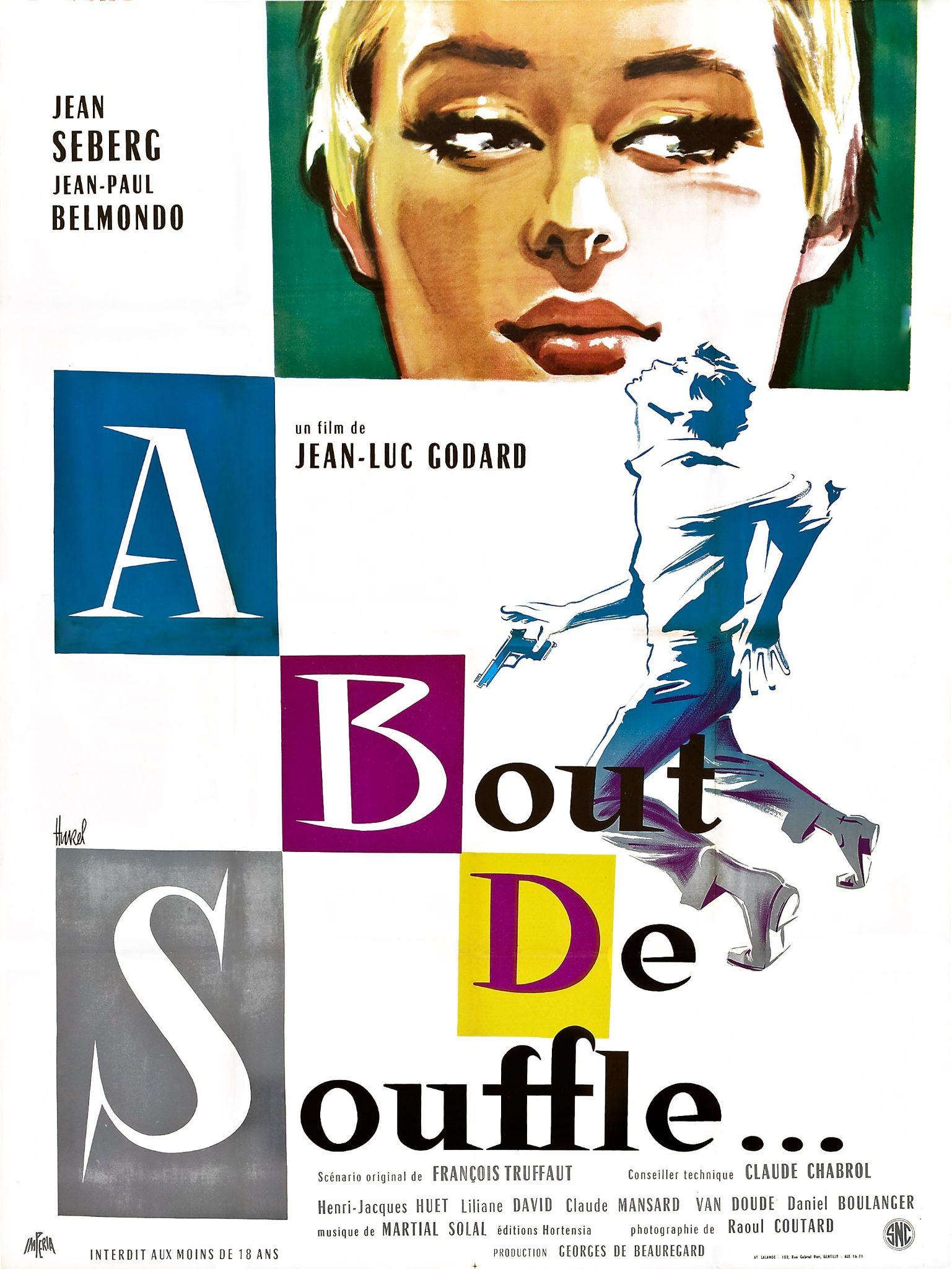
French New Wave
Late 1950s – 1960s
Cool, rebellious, self-aware, and endlessly stylish.
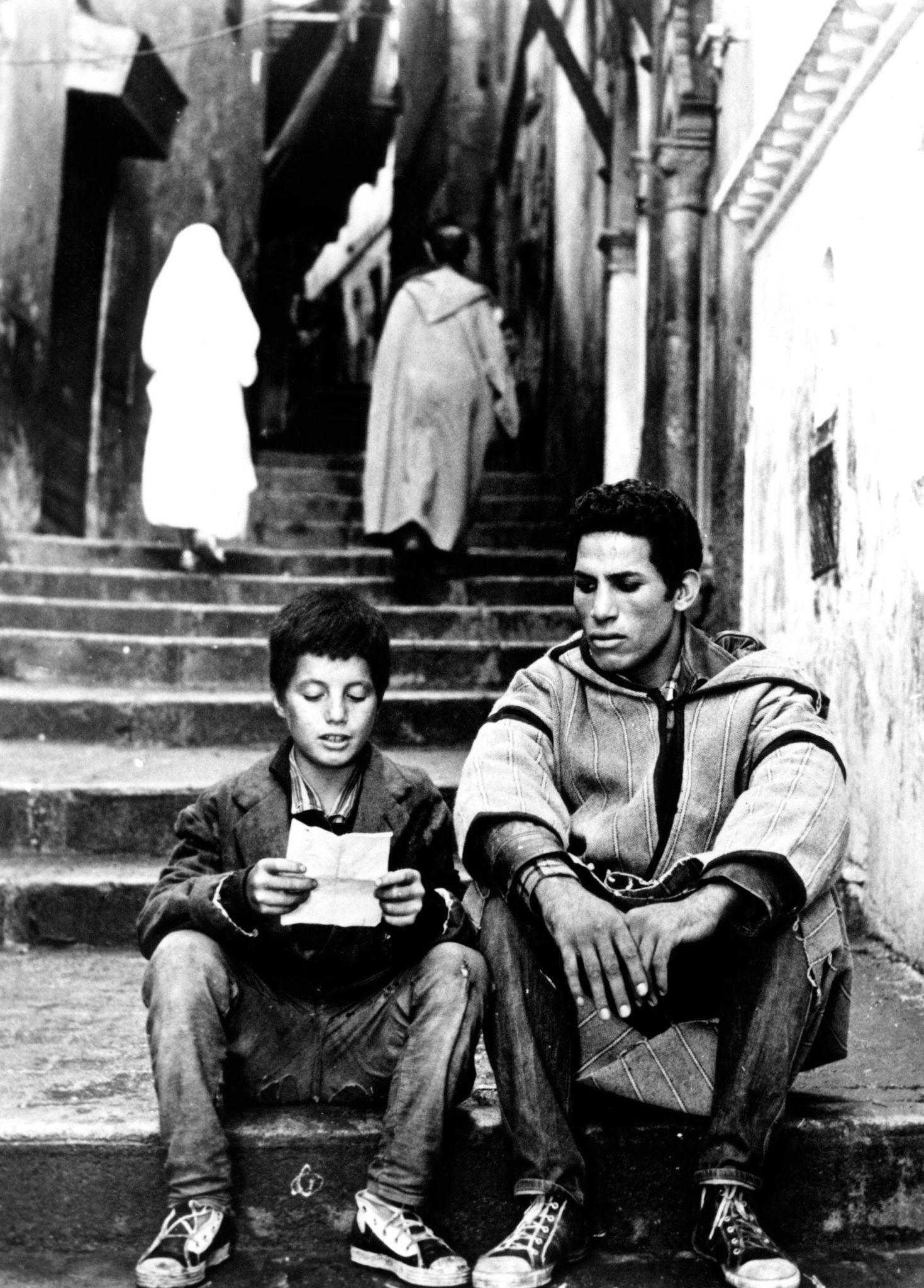
Third Cinema
1960s – 1970s
Militant, urgent, and fiercely anti-colonial.
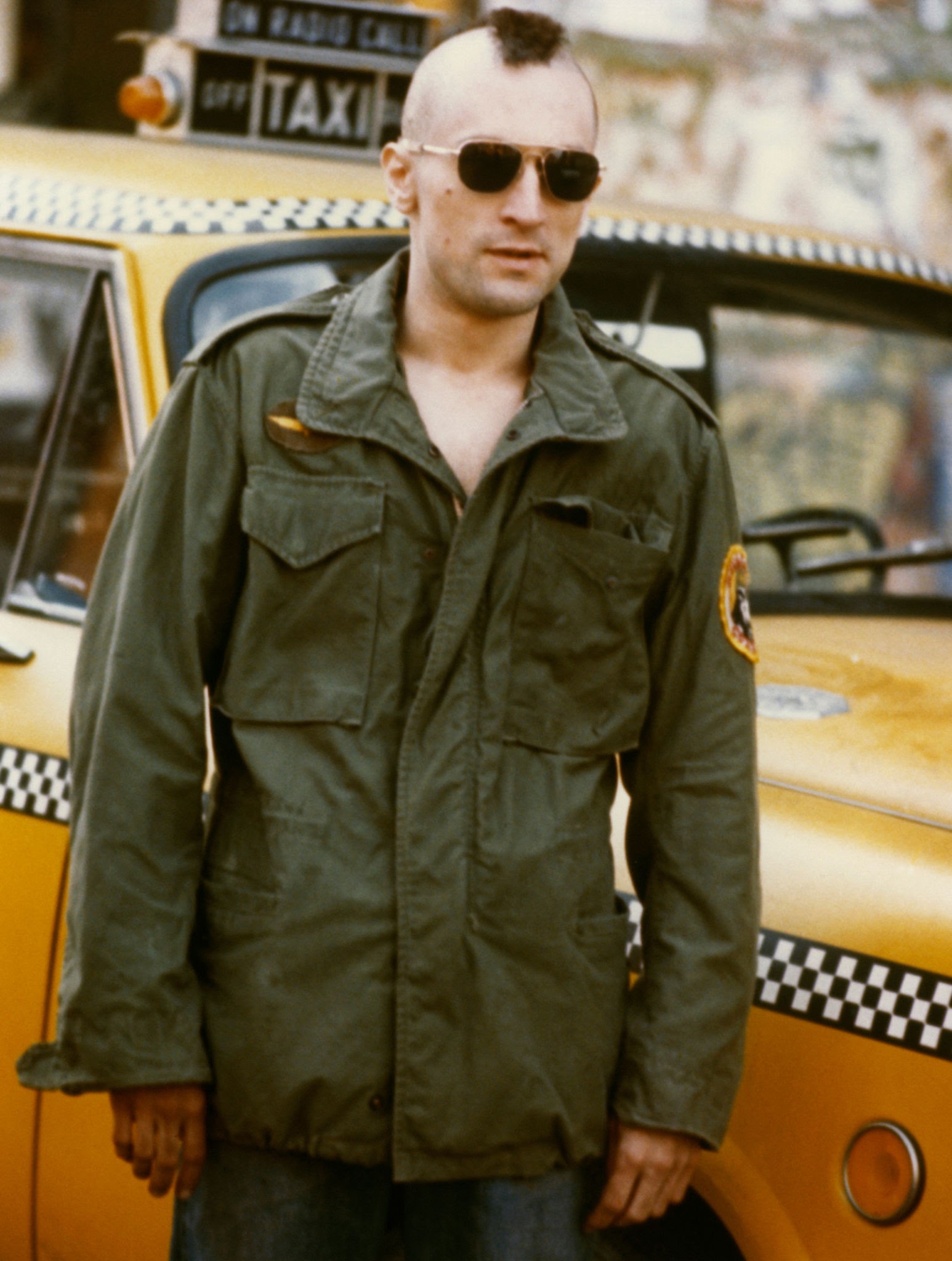
New Hollywood
Late 1960s – Early 1980s
Cynical, gritty, and morally ambiguous.
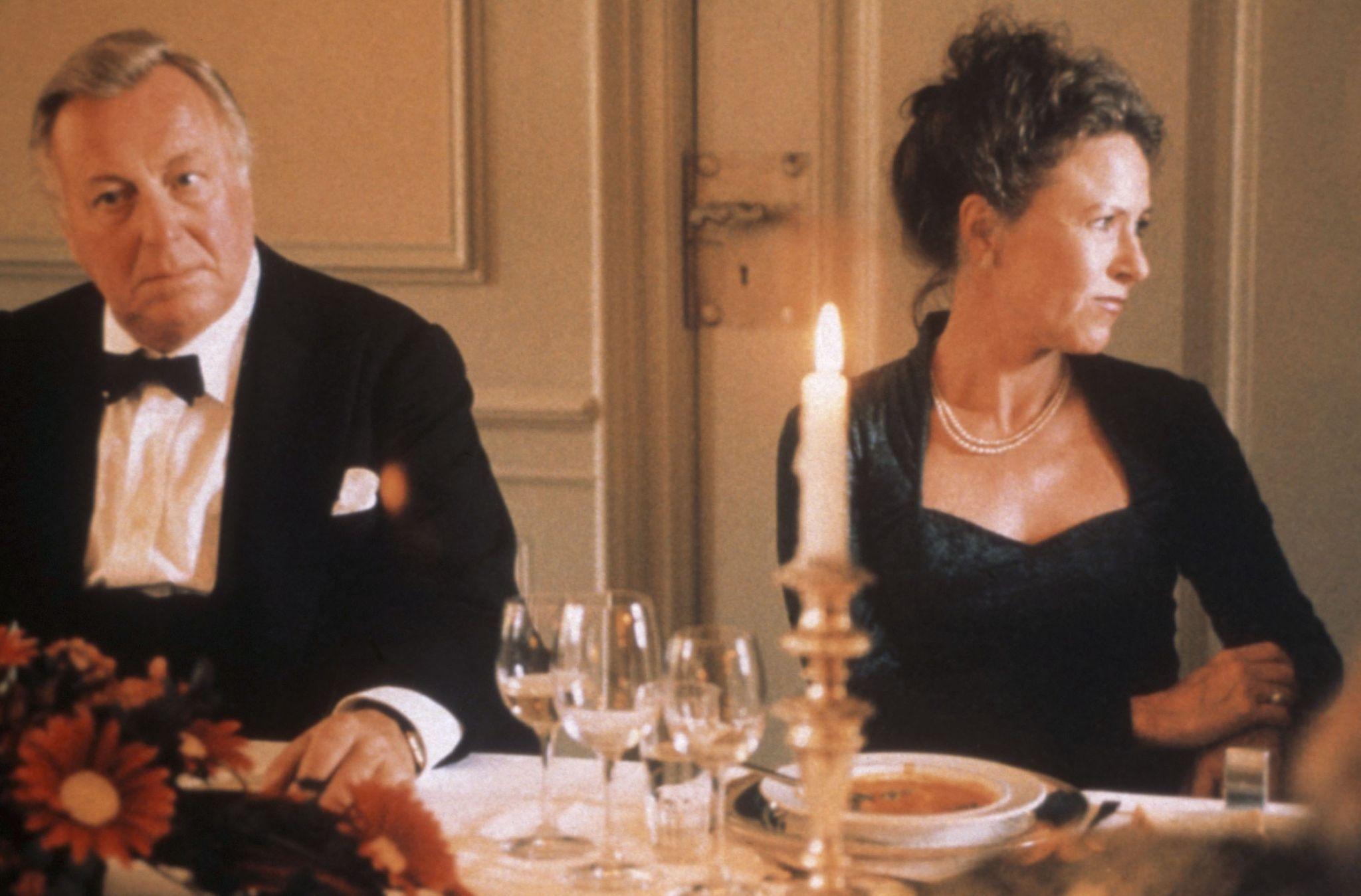
Dogme 95
1995 – 2005
Intimate, jittery, raw, and painfully realistic.
Korean New Wave
Late 1990s – 2000s
Viscerally intense, genre-bending, and stylistically flawless.