1940s – 1950s
Italian Neorealism
Gritty, heartbreaking, and fiercely authentic.
The Catalyst
The physical and economic destruction of Italy during WWII.
The Story
When World War II ended, Italy's massive film studios were literal rubble—some even converted into refugee camps. Stripped of the ability to make the glamorous, out-of-touch studio comedies favored by Mussolini's fallen regime, Italian directors took their cameras straight into the devastated streets. Neorealism was a quest for unfiltered truth. Because lighting equipment was scarce, directors shot on location using harsh, natural light. Film stock was cobbled together, giving the movies a raw, grainy, documentary texture. To achieve genuine authenticity, directors frequently cast non-professional actors—everyday people who had actually lived through the poverty and desperation being filmed. The narratives focused entirely on mundane, daily struggles of the working class, actively avoiding Hollywood's neatly packaged happy endings.
The Legacy
Pioneered location shooting and heavily influenced global independent cinema.
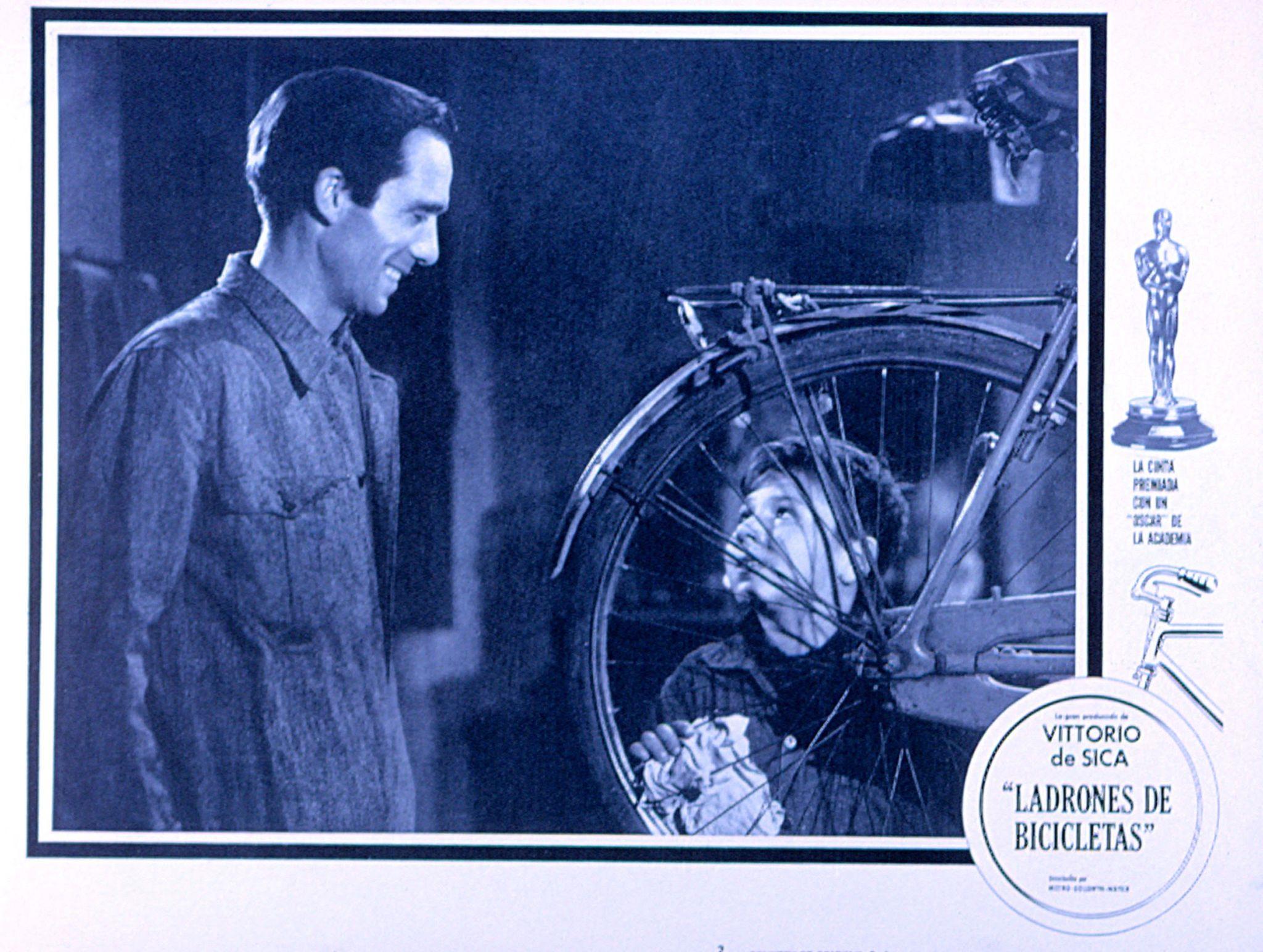
Italian Neorealism Films(18 in our catalog)
View all
The Bicycle Thief
Rome, Open City
La Strada
Umberto D.
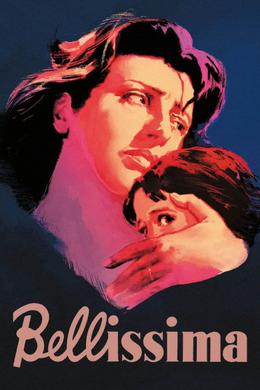
Bellissima

Shoeshine

I Vitelloni
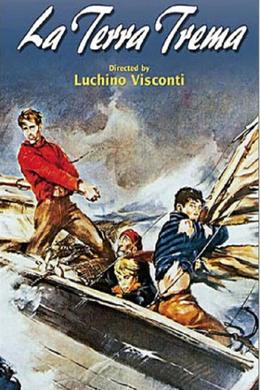
La Terra Trema

Germany, Year Zero
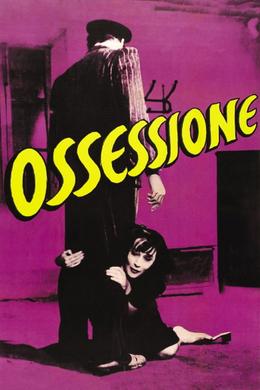
Ossessione
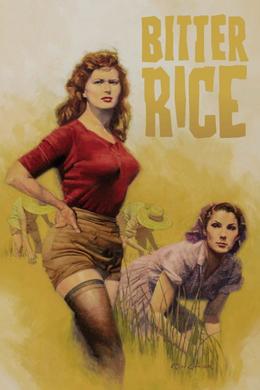
Bitter Rice

Journey to Italy

The White Sheik

Stromboli

Variety Lights

Il Segno di Venere

Chronicle of Poor Lovers

Story of a Love Affair
Essential Viewing
- Bicycle Thieves (1948)
- Rome, Open City (1945)
- Umberto D. (1952)
- Shoeshine (1946)
- Paisan (1946)
- Germany Year Zero (1948)
- La Terra Trema (1948)
- Ossessione (1943)
- Bitter Rice (1949)
- Miracle in Milan (1951)
- Journey to Italy (1954)
- The Children Are Watching Us (1944)
- Bellissima (1951)
- Stromboli (1950)
- The Roof (1956)
- Il Bidone (1955)
- La Strada (1954)
- Nights of Cabiria (1957)
- I Vitelloni (1953)
- Rocco and His Brothers (1960)