1960s – 1970s
Third Cinema
Militant, urgent, and fiercely anti-colonial.
The Catalyst
Anti-imperialist political struggles across Latin America and Africa.
The Story
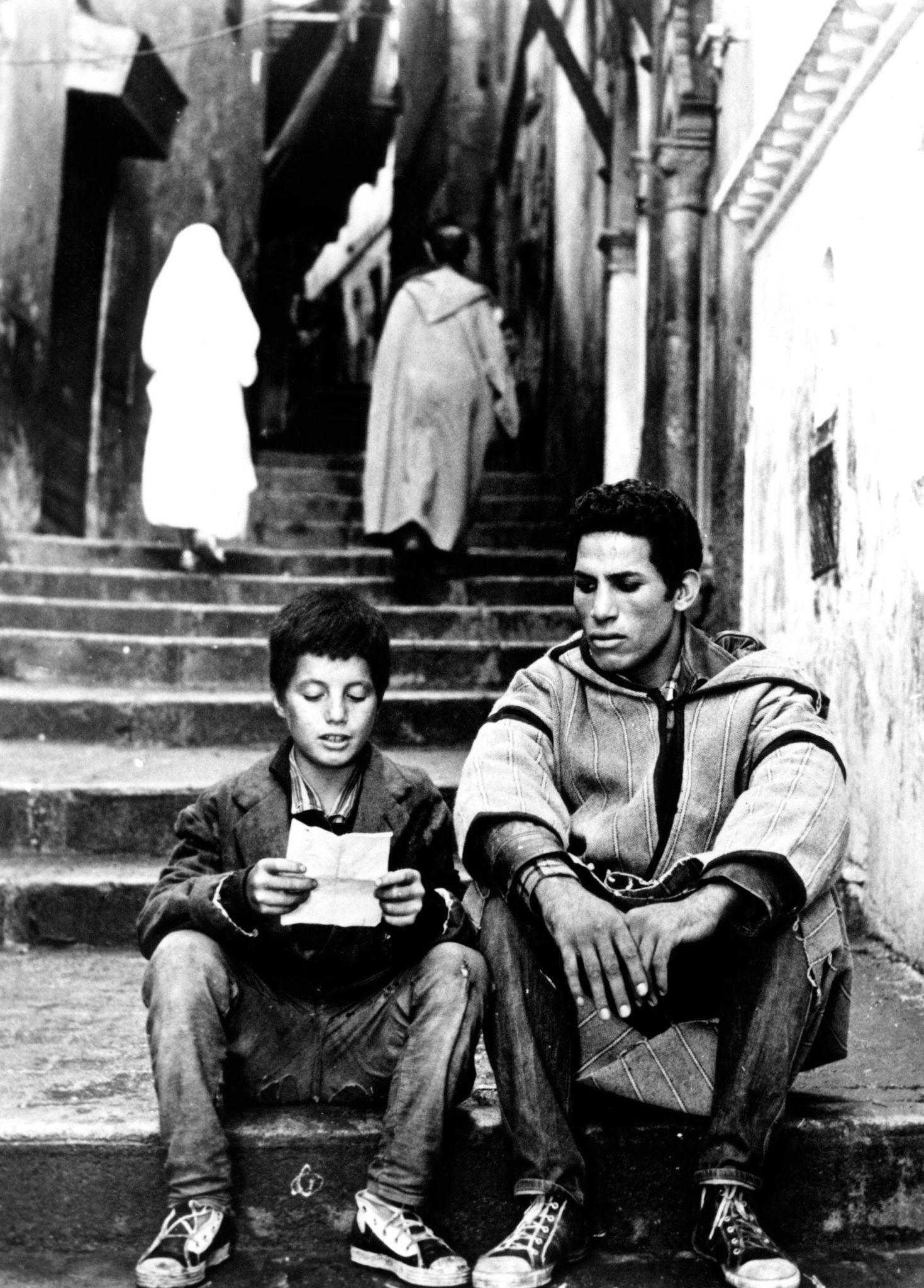
In the 1960s, cinema became a battlefield. Emerging across Latin America and Africa, Third Cinema defined itself by what it vehemently opposed: "First Cinema" (Hollywood, which commodified movies for capitalist profit) and "Second Cinema" (European art-house, which focused too heavily on individual auteur angst). Third Cinema viewed the camera as a weapon for liberation. Aesthetically, it blurred the lines between fiction and documentary, frequently utilizing archival footage and direct addresses to the audience to agitate and educate. The stories actively rejected the concept of an individual hero; instead, the protagonist was usually a collective—the oppressed masses, indigenous populations, or the working class. Because these films were highly subversive, they were often produced illegally and screened in secret underground networks to avoid state violence.
The Legacy
Redefined cinema as an active tool for political revolution and mass education.
Third Cinema Films
No films in our catalog yet — coming soon.
Essential Viewing
- The Hour of the Furnaces (1968)
- Memories of Underdevelopment (1968)
- Blood of the Condor (1969)
- Black God, White Devil (1964)
- Lucía (1968)
- The Battle of Algiers (1966)
- Xala (1975)
- Touki Bouki (1973)
- Entranced Earth (1967)
- Barren Lives (1963)
- Mandabi (1968)
- Antonio das Mortes (1969)
- Reed: Insurgent Mexico (1970)
- One Way or Another (1974)
- The Jackal of Nahueltoro (1969)
- Sambizanga (1972)
- Black Girl (1966)
- The Principal Enemy (1973)
- The Courage of the People (1971)
- Camp de Thiaroye (1988)