1920s
Soviet Montage
Propulsive, intellectual, and revolutionary.
The Catalyst
The 1917 Russian Revolution and the need to unify a massive population.
The Story
For the newly formed Soviet government, cinema wasn't just entertainment; it was a highly effective weapon. In a vast, fractured country with high illiteracy, the state realized the moving image was the ultimate tool for mass communication and propaganda. Directors like Sergei Eisenstein approached filmmaking as a strict science. They rejected the seamless, theatrical storytelling of early Hollywood. Instead, they believed the true power of film existed entirely in the editing room. This birthed the "Montage"—the collision of independent, often contrasting shots to create a new, synthesized meaning that didn't exist in either shot alone (the famous Kuleshov Effect). Visually, these films are defined by rapid, rhythmic editing, jarring graphic contrasts, and a focus on the "collective masses" as the hero rather than a single individual protagonist.
The Legacy
Invented modern video editing; proved that cuts create emotion.
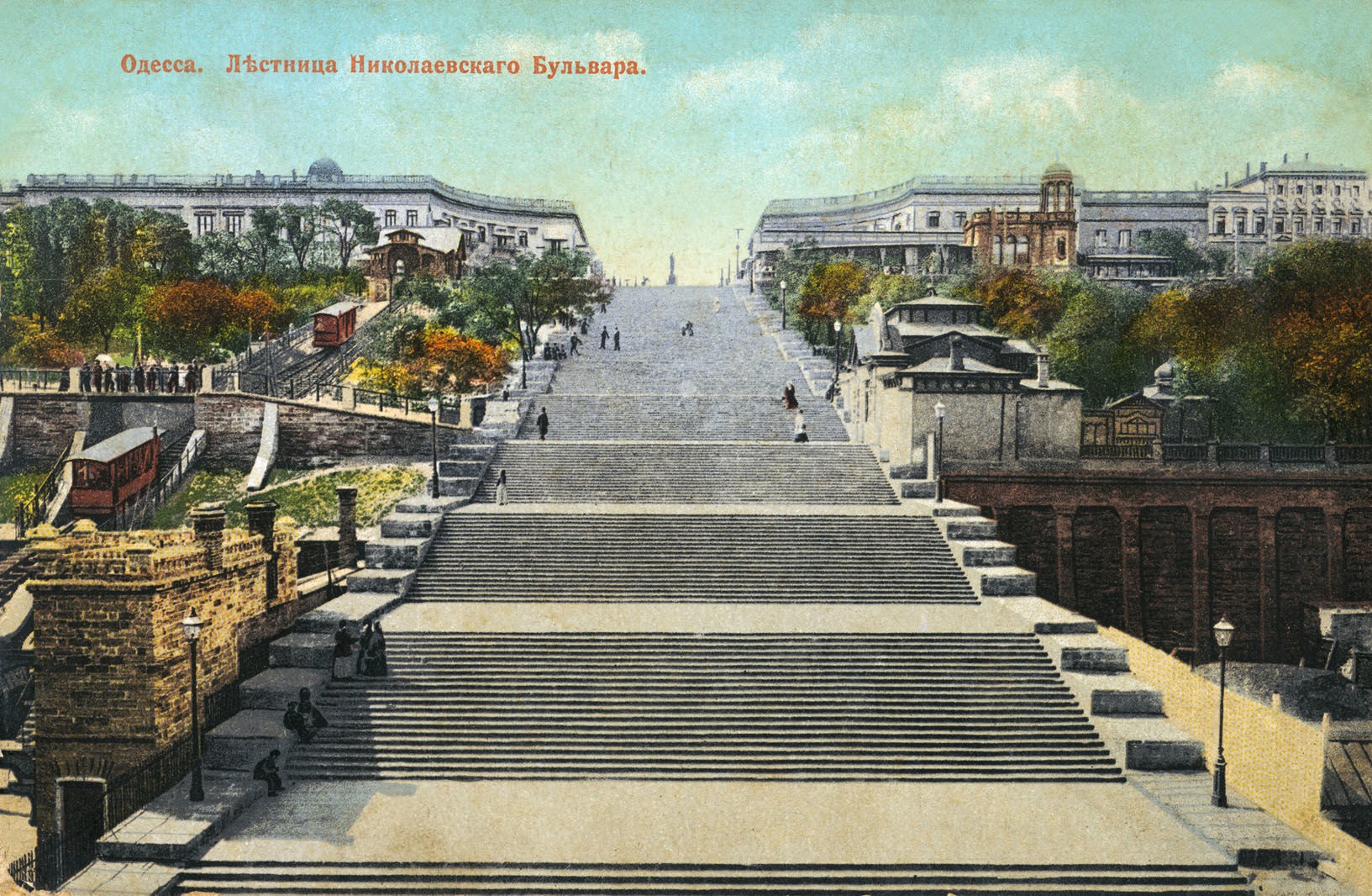
Soviet Montage Films(3 in our catalog)


Essential Viewing
- Battleship Potemkin (1925)
- Man with a Movie Camera (1929)
- Strike (1925)
- October: Ten Days That Shook the World (1928)
- Mother (1926)
- The End of St. Petersburg (1927)
- Storm Over Asia (1928)
- Earth (1930)
- Arsenal (1929)
- Zvenigora (1928)
- Kino-Eye (1924)
- Mr. West in the Land of the Bolsheviks (1924)
- By the Law (1926)
- Chess Fever (1925)
- Aelita: Queen of Mars (1924)
- The Fall of the Romanov Dynasty (1927)
- Turksib (1929)
- Salt for Svanetia (1930)
- Enthusiasm: Symphony of the Donbass (1931)
- Deserter (1933)