Late 1960s – Early 1980s
New Hollywood
Cynical, gritty, and morally ambiguous.
The Catalyst
The collapse of the old studio system and the cultural unrest of Vietnam/Watergate.
The Story
By the late 1960s, the traditional Hollywood studio system was dying. Television had stolen the audience, and bloated, expensive studio musicals were bombing at the box office. Desperate for a hit and out of touch with youth culture, studio executives handed unprecedented creative control to a new generation of filmmakers dubbed the "movie brats" (Coppola, Scorsese, Spielberg, Lucas). Highly educated in film history and heavily influenced by the French New Wave, they created films that were deeply cynical, violent, and morally complex. The rigid morality of classic Hollywood was replaced by flawed, alienated anti-heroes. Visual boundaries were pushed with graphic violence, raw sexuality, on-location shooting, and overlapping dialogue. Crucially, these films rarely offered neat, happy endings—the ambiguity was the point.
The Legacy
Bridged the gap between European art-house aesthetics and American commercial cinema.
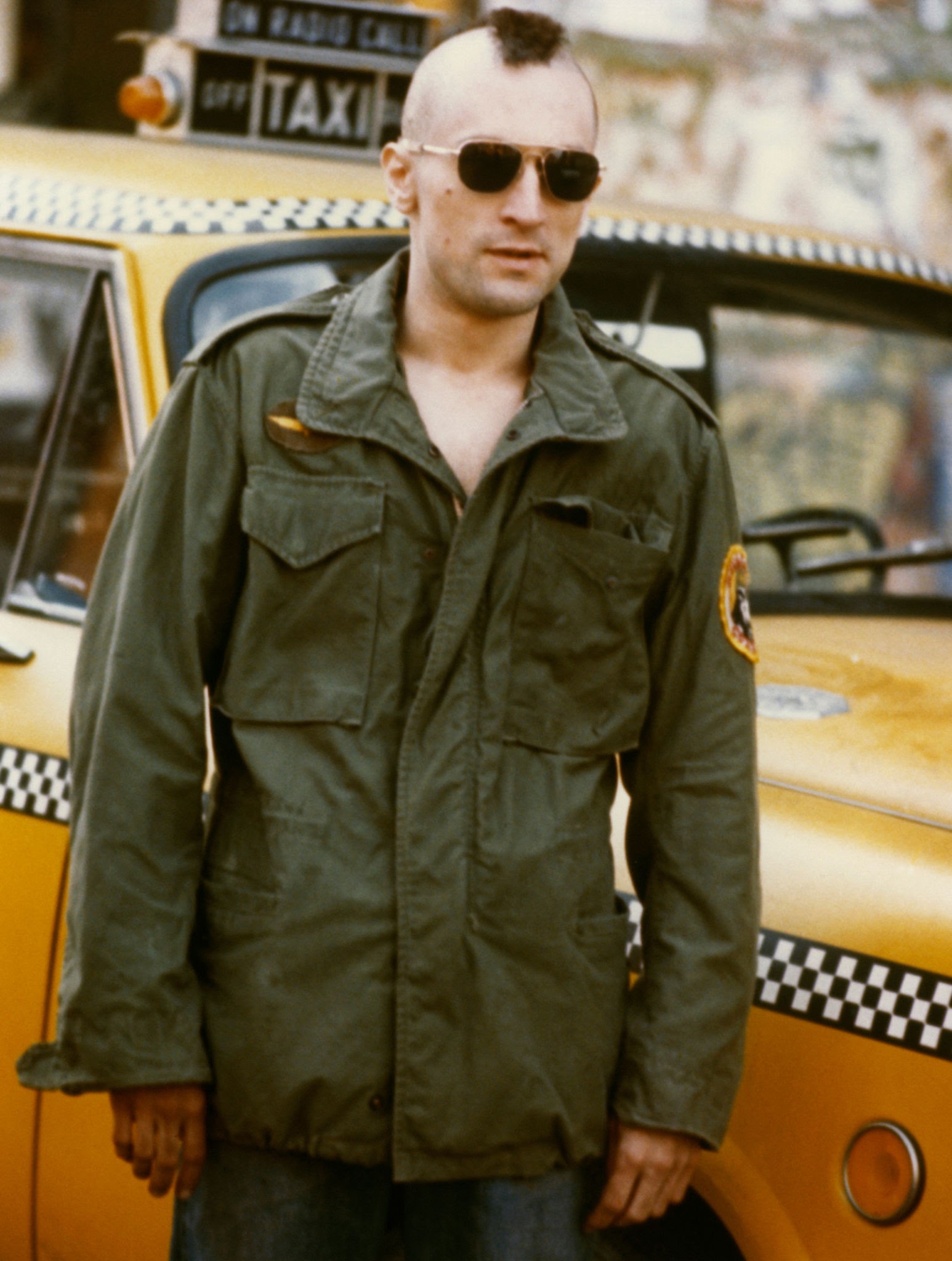
New Hollywood Films(8 in our catalog)





Essential Viewing
- Taxi Driver (1976)
- The Godfather (1972)
- Bonnie and Clyde (1967)
- The Graduate (1967)
- Easy Rider (1969)
- The French Connection (1971)
- Apocalypse Now (1979)
- Chinatown (1974)
- Raging Bull (1980)
- The Last Picture Show (1971)
- Midnight Cowboy (1969)
- Badlands (1973)
- Days of Heaven (1978)
- Dog Day Afternoon (1975)
- Network (1976)
- Nashville (1975)
- The Deer Hunter (1978)
- Five Easy Pieces (1970)
- McCabe & Mrs. Miller (1971)
- Mean Streets (1973)